AI has become the newest buzzword across industries today. Teams building new products and supporting existing platforms are increasingly relying on AI to improve efficiency, accelerate delivery, and create better customer experiences. Organizations and teams that fail to adapt to this shift risk falling behind competitors who are rapidly integrating AI tools and capabilities into their ways of working.
As part of my own learning journey around this technological transformation, I have been reading articles, books, and pursuing courses to better understand the impact of AI on Product Management and modern businesses. During this process, a few important questions repeatedly came to my mind:
• Are all AI-driven projects successful, or do many fail?
• What actually determines the success or failure of AI initiatives?
• How should organizations measure AI outcomes?
• Do AI-enabled products require a completely different set of metrics and OKRs?
To better understand this evolving landscape, I have also been exploring real-world examples where AI has either created breakthrough value or exposed significant limitations. Some of these stories are truly astonishing.
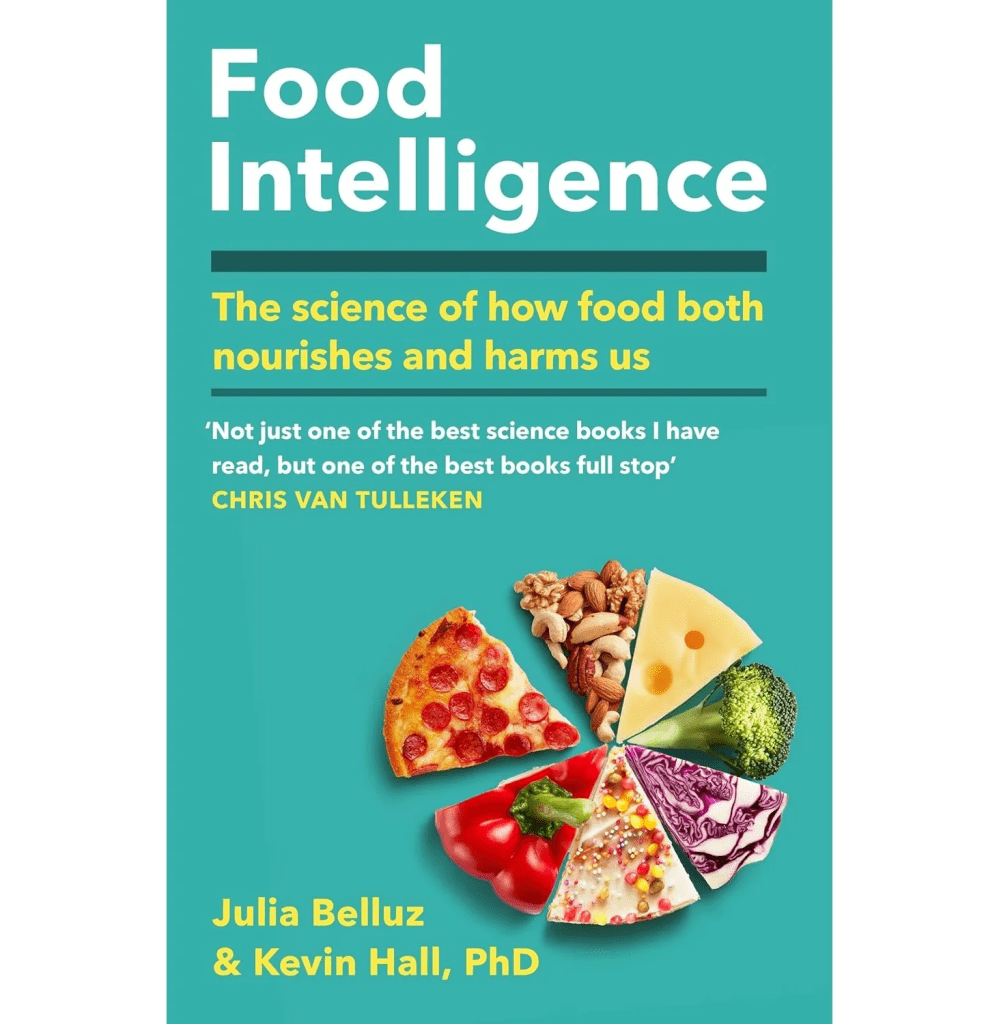
In the book “Food Intelligence – How Food Both Nourish and Harm Us” by Kevin Hall and Julia Belluz, I came across the concepts of “Precision Nutrition” and “Microbiome Profiling.” In simple terms, scientists and nutrition companies are attempting to provide personalized dietary recommendations based on an individual’s genetic profile, gut microbiome, real-time biological responses such as glucose spikes, and lifestyle factors.
This is made possible using Machine Learning algorithms that can process enormous volumes of health-related data and identify subtle patterns across multiple dimensions of human biology.
However, here is the interesting part.
One of the authors, Julia Belluz, enrolled in services offered by several Precision Nutrition companies. Surprisingly, most recommendations turned out to be fairly generic:
• Reduce sugar
• Eat more fruits and vegetables
• Include whole grains and legumes
• Reduce unhealthy fats
This raises a fascinating question:
If advanced AI systems ultimately provide recommendations that largely resemble common nutritional advice, are we truly unlocking revolutionary insights, or simply repackaging existing knowledge using sophisticated technology?
(Of course, individuals with specific diseases or medical conditions may still benefit from more tailored recommendations.)
Another profession where AI is making rapid inroads — though with far more serious implications — is the judiciary and legal system.
Many of us are already aware of failures involving Facial Recognition systems used in law enforcement, where innocent individuals were wrongly identified due to biased or inaccurate AI models. But AI-related issues are also surfacing inside courtrooms.

In the book “The Bench, The Bar and The Bizarre” by Solicitor General of India Tushar Mehta, there is an entire discussion on how lawyers are increasingly using AI tools to research legal precedents and prepare arguments. The problem, however, is that Large Language Models sometimes generate completely fictitious case references and present them as authentic legal precedents.
In several instances, courts discovered that advocates had unknowingly submitted AI-generated fake citations. Some courts not only imposed fines but also initiated serious action against the lawyers involved.
These examples raise much larger and deeper questions:
• Can AI truly replace human intelligence?
• Should AI be used everywhere simply because it can be?
• Where does AI genuinely add value?
• In which situations should human judgment remain irreplaceable?
The more I explore AI, the more I feel that the real challenge is not building intelligent systems — it is understanding where intelligence should remain human.
AI is exceptionally powerful at processing large volumes of data, identifying patterns, generating predictions, and automating repetitive tasks. But fields involving ethics, accountability, emotional intelligence, contextual judgment, and human consequences still require careful human oversight.
Perhaps the future does not belong to organizations that use AI everywhere, but to those that understand where AI should be used — and where it should not.


Leave a Reply